Allah Knows What You Do Not Know: A Faithful Embroidery Design
As an experienced embroidery designer and product reviewer, I often find myself evaluating how a design will perform in real-world projects. The Allah Knows What You Do Not Know Islamic design caught my attention not just for its spiritual message but for the thoughtful composition that makes it suitable for a wide range of handmade and commercial uses. This is one of those designs that can elevate your craft business or Etsy shop with meaningful content and visual harmony.
First Impressions: Mood and Visual Personality
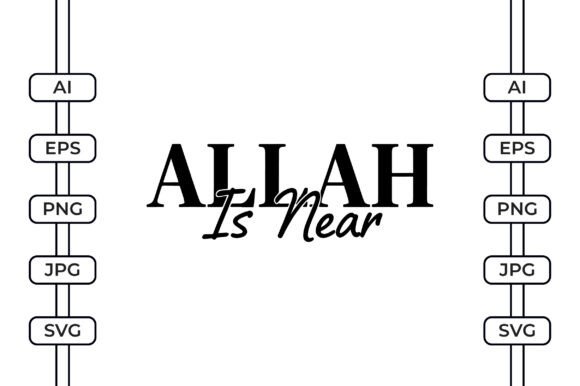
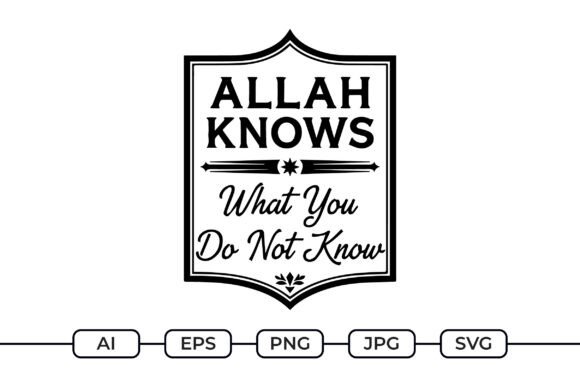
The phrase “Allah Knows What You Do Not Know” carries deep reverence and serves as a beautiful reminder of divine wisdom. The design reflects this sentiment through its elegant typography and balanced layout. It feels both modern and traditional—something you don’t see often in machine embroidery files. The calligraphy has a soft flow without being overly intricate, which makes it versatile enough to work on different fabric types and garment styles.
What stands out immediately is the emotional resonance. This isn’t just another decorative pattern; it’s a statement piece. As someone who creates personalized gifts and custom apparel, I know that designs like this can speak volumes about intention and care. The text is arranged in a way that feels intentional and centered, making it ideal for pieces where the design should be the focal point, such as sweatshirt embroidery or nursery decor.
Layout and Detail Level
Looking closer at the layout, the spacing between letters and words is generous, avoiding the cramped look that sometimes plagues religious embroidery graphics. The detail level is moderate—enough to add character without overwhelming the viewer or the needlework. This balance is crucial when considering products like embroidered patches or pillow covers, where too much complexity can lead to distortion or stitch breakage.
I also appreciate how the design avoids using excessive embellishments or over-stitching. That makes it more adaptable across various applications. Whether you’re working on a tote bag design or a tea towel for holiday embroidery, the simplicity helps maintain clarity after stitching.
Real-Life Use Scenarios
Let’s imagine a practical use case: a custom sweatshirt for a local boutique. The Allah Knows What You Do Not Know design could be placed centrally, perhaps with some subtle running stitch outlines to give it dimension. The result would feel both stylish and respectful—a perfect blend for small shop products that cater to Muslim customers or anyone looking for faith-based design elements.
Another scenario might involve creating a baby item, like an apron or cap. In this case, the design needs to remain legible and soft in appearance. The clean lines and minimalistic style of this graphics file help keep it from feeling too heavy, even when scaled down. However, I’d recommend testing it on scrap fabric first to ensure that the stitch density works well on thin or stretchy materials commonly used in baby clothes.
For those into digital product selling, this design would make a great printable mockup. Its clear structure translates well into vector formats like SVG, EPS, and AI, allowing for easy resizing and reformatting. Whether you're offering it as a standalone design asset or part of a collection of Islamic posters, the scalability is a big plus.
Performance Across Different Projects
- Tote Bag Design: The design looks bold and impactful on a large surface, especially when paired with a solid color background. It adds a layer of sophistication and thoughtfulness that customers notice.
- Sweatshirt Embroidery: Works well as a chest or back design. The moderate detail level ensures it stitches cleanly without eating up too much space or thread.
- Embroidered Patch: A strong candidate for patch creation due to its centered composition and lack of complex fill areas. Just remember to adjust stabilizer accordingly for delicate fabrics.
- Nursery Decor: The gentle, flowing script fits beautifully into soft-toned interiors. Consider using light-colored threads to complement pastel walls or bedding.
- Tea Towels and Aprons: These items benefit from simple, readable embroidery. The design maintains clarity on woven cottons and linen blends, which are common in kitchen textiles.
- Holiday Gifts: Perfect for Eid or Ramadan gifts. The message resonates deeply within the community and offers a unique touch compared to generic holiday embroidery files.
Where to Use with Caution
While this design is versatile, there are situations where extra consideration is needed. For example:
- Small Hoop Sizes: If you plan to scale it down significantly for items like keychains or tiny patches, some lettering may become too fine for reliable stitching. Always confirm hoop size before finalizing your project.
- Textured or Stretchy Fabrics: Designs with dense stitch areas can cause puckering or distortion on these materials. Test on fabric swatches first and adjust stitch density if needed.
- Dark Fabric Backgrounds: The design doesn’t specify thread colors, so you’ll need to choose hues that contrast well. Light thread on dark fabric usually works best, but again, test it out before committing to a batch of products.
- Curved Surfaces (e.g., Caps): The flat layout might not adapt well to curved surfaces unless you manually tweak the design. Curved caps or hats require careful placement and possibly seam adjustments.
- Frequent Washing (e.g., Baby Clothes): Ensure you use quality threads and proper backing to prevent fraying or fading over time.
Design Impact and Customer Perception
When choosing an embroidery design for your handmade product line, you want something that aligns with your brand’s tone and values. The Allah Knows What You Do Not Know Islamic design brings a sense of peace and purpose to any finished product. It communicates professionalism while maintaining a personal touch, which is essential for customer trust and buyer engagement.
From a giftability perspective, this design is powerful. It’s not just visually appealing—it carries meaning. Customers purchasing a sweatshirt or pillow cover with this phrase likely do so because they connect with the message. That kind of connection boosts repeat sales and positive reviews, especially for Etsy sellers and craft fair vendors.
In terms of recognition and brand consistency, integrating this design into a series of faith-based or inspirational products can help establish a signature look. Whether you're a hobbyist or a small business owner, having consistent design assets strengthens your identity in the marketplace.
Thread Colors and Stitch Clarity
Since thread colors aren’t specified in the product description, I suggest experimenting with combinations that enhance the script's elegance. Metallic threads could add a nice shimmer to wall art or decorative accents, but they might not hold up well on items that require frequent washing.
Also, take note of the stitch clarity. While the design appears to have good readability in its original form, scaling it down for smaller projects could reduce legibility. Always inspect small details before committing to production runs.
Designer Notes for Best Results
Here are some practical tips to ensure the Allah Knows What You Do Not Know Islamic design performs well in your embroidery project:
- Test the design on scrap fabric before using it on a final product.
- Review stitch density, especially if using stretchy or thin materials.
- Check whether the design includes all necessary files (SVG, EPS, AI) for your preferred software.
- Use proper stabilizer for delicate or textured fabrics to avoid distortion.
- Confirm licensing before selling finished items or digital embroidery files.
- Compare how the design looks on both light and dark fabric backgrounds.
- Consider using black and white mockups to visualize how the design will appear with different thread color choices.
Commercial and Personal Use
This design seems appropriate for both personal and commercial embroidery projects. Its spiritual nature makes it ideal for boutique branding, Islamic posters, or Muslim wall art. Still, always double-check the licensing agreement to confirm what rights you have regarding resale or redistribution. Many designers offer clear guidelines, but it’s better to be safe than sorry.
Final Thoughts
Overall, the Allah Knows What You Do Not Know Islamic design is a strong addition to any embroiderer’s library. It balances aesthetic appeal with practicality, making it suitable for a wide range of crafts and graphics projects. From custom apparel to digital product previews, it offers value without requiring excessive tweaking.
If you’re an embroidery designer or creative entrepreneur looking to expand your offerings in the Islamic or faith-based niche, this design could be a standout in your catalog. Just remember to consider fabric type, hoop size, and thread contrast to get the most out of it. With the right approach, it can turn a simple handmade product into a cherished item with real emotional weight.