Camo YHWH Coquette Sublimation Design Review
As an experienced embroidery designer and product reviewer, I always look for designs that not only spark creative interest but also deliver practical value in real-world applications. The Camo YHWH Coquette Sublimation Design caught my eye with its unique blend of faith-based messaging and modern aesthetics. Let me walk you through my hands-on evaluation as I consider how this design would perform across a variety of projects.
A Faithful Yet Contemporary First Impression
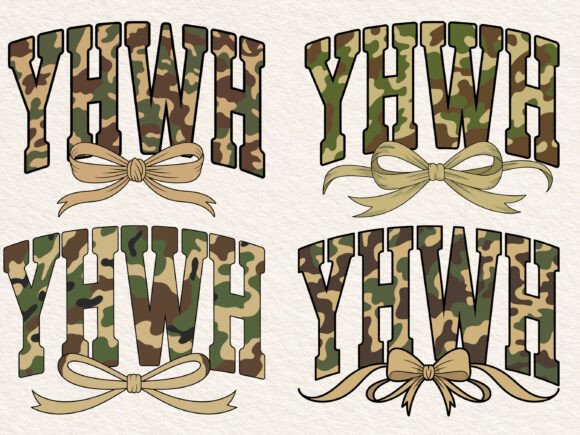
The moment I opened the digital file for the Camo YHWH Coquette Sublimation Design, I was struck by its visual balance between bold and subtle. The camouflage pattern adds a trendy, edgy flair while the prominent “YHWH” text brings a powerful spiritual message to the forefront. This is one of those rare designs where the theme feels both intentional and versatile — perfect for someone looking to infuse personal or brand identity into their work without going overboard.
I immediately noticed how the layout works well on curved or irregular surfaces. The coquette style, which often features soft curves and stylized fonts, is here adapted cleverly with angular camo textures. It doesn’t scream at you, but it definitely holds your attention. The overall mood is confident and grounded, making it suitable for a wide range of handmade products like custom sweatshirts, tote bags, and even baby items for Christian-themed gifts.
Visual Personality That Fits Many Projects
This design has a strong visual personality that leans toward the outdoorsy yet spiritual. It’s not too loud, but the contrast between the camo background and the central text ensures visibility from a distance. The level of detail is moderate — enough to give it character without becoming overwhelming during stitching. For hobbyists and small shop owners who want something that stands out but still maintains a sense of elegance, this could be a solid choice.
Real-World Embroidery Performance
Let’s imagine using the Camo YHWH Coquette Sublimation Design on a custom embroidered tote bag for a local boutique. The design's structure allows it to scale well on larger formats, which is great for cotton or canvas materials typically used in totes. Its bold lines translate nicely into stitch paths, especially when paired with high-quality thread colors that pop against the fabric.
In a sweatshirt embroidery project, the design holds up reasonably well if you're careful with stitch density. The camo pattern can become a bit muddled if you don't adjust the running stitch areas appropriately, so it might benefit from a layered approach with satin stitch outlines to keep the edges clean. On t-shirts, particularly lighter-colored ones, the design shines. The contrast helps highlight the religious message, making it ideal for faith-based apparel collections or personalized gifts.
For baby clothes, the design is more suited to outerwear or accessories rather than delicate garments. The texture of the camo could clash with the softness expected in baby tees, but it looks sharp on bibs, onesies, or caps where a bit of edge isn’t off-putting. Similarly, on aprons or pillow covers, the design adds a meaningful touch that complements both home décor and functional items.
If you're an Etsy seller or craft fair vendor, this design could easily become a signature piece in your collection. It’s visually appealing and taps into a growing market of customers seeking faith-based, customizable products. When applied to holiday gifts or wedding keepsakes, the Camo YHWH Coquette Sublimation Design offers a fresh twist on traditional religious motifs.
Where Caution Is Advised
While the design is adaptable, there are some scenarios where extra care is necessary. For instance, if you plan to use it in a small hoop size, say for a patch or cap embroidery, the fine details may get lost or cause tension issues. The camo pattern, though stylized, does contain a fair amount of fill stitches and directional elements that require space to breathe.
Textured fabrics such as denim or flannel can also pose challenges. The subtle gradients and patterns in the design may not show up as intended if the fabric surface isn’t smooth. Thin or stretchy materials, like jersey knit, demand precise stabilizer placement to avoid puckering, especially around the dense stitch areas near the text.
Dark fabric backgrounds might dull the impact of the design unless you use light-colored threads or reverse the color scheme. Always test the design in black and white mockups before committing to final thread choices. This will help you see how the design interacts with different lighting conditions and fabric types.
Products that need frequent washing, such as kitchen towels or nursery decor, should be approached with caution. While the design itself isn’t overly complex, the stitch density in certain parts may affect durability over time. A good rule of thumb is to run a few test pieces on scrap fabric first, especially if you're planning to sell finished items commercially.
Impact on Product Value and Customer Appeal
What makes the Camo YHWH Coquette Sublimation Design stand out is its ability to elevate the visual appeal of a product while maintaining clarity in its message. The religious element gives it a purpose beyond decoration, which can increase perceived value. Customers shopping for personalized gifts or bespoke items will likely appreciate the thoughtfulness behind a design that combines spirituality with contemporary style.
From a branding perspective, this design can serve as a consistent visual motif in a small shop product line or a boutique’s seasonal offerings. Its adaptability means it can appear on multiple items without feeling repetitive — just cohesive. Whether you're creating a printable mockup for digital product previews or preparing physical samples for an Etsy listing, the design supports a professional appearance.
However, it's important to note that the design may not resonate with all audiences. While many people love scripture graphics, others might prefer subtler expressions of faith. As a designer, it's worth considering the target demographic before incorporating it into mass-produced items. Still, for niche markets like Christian apparel or gift shops, this design can significantly boost buyer engagement.
Thread Colors and Stitch Clarity
One thing I’ve learned over the years is that thread color selection can make or break an embroidery project. With this design, I recommend experimenting with different thread palettes to find the best match for your fabric and machine capabilities. If the original design uses specific thread colors, check how they translate in low-light settings or under UV exposure — this is especially relevant for outdoor-use items.
Also, inspect the small details in the design. Depending on your machine and software, some intricate areas may need manual adjustments. I suggest reviewing the stitch density closely, particularly in fill stitch sections. Too much density can lead to fabric distortion, while too little might compromise the design's integrity.
Designer Notes for Best Use
- Test on Scrap Fabric: Before moving to final production, always try the design on a similar material to assess how it lays and stitches.
- Check Thread Contrast: Make sure the chosen thread colors offer enough contrast against the fabric to maintain legibility and visual appeal.
- Review Stitch Density: Adjust fill stitches and running stitch areas depending on fabric type and desired outcome.
- Confirm Hoop Size: Ensure your hoop can accommodate the full design without stretching or distorting the image.
- Inspect Small Details: Zoom in on the SVG/PNG files to evaluate how tiny lettering or corners will hold up during stitching.
- Use Proper Stabilizer: Especially important for stretchy or thin fabrics to prevent shifting and puckering.
- Verify Licensing: Since this is a digital product, double-check whether the license allows commercial use before selling finished items or digital embroidery files.
Final Thoughts for Crafters and Entrepreneurs
The Camo YHWH Coquette Sublimation Design is a compelling option for anyone working within the crafts and graphics categories. It’s not a one-size-fits-all solution, but with thoughtful preparation and adaptation, it can enhance a wide range of handmade products. Whether you're an embroidery project enthusiast or a commercial embroiderer, this design offers a meaningful aesthetic that aligns well with today’s market trends.
Just remember: every design needs a second look in the context of your tools, materials, and audience. Take the time to understand how it behaves in different environments, and you’ll find yourself with a standout addition to your portfolio — one that speaks to both artistry and intentionality in your work.